


Yang Sheng in Lisbon
📅 11 January 2026 •
⏱ 8 min read •
📍 Marquês de Pombal – Saldanha, Lisbon
Yang Sheng in Lisbon: The Chinese Art of Nurturing Life and Preventing Disease
Living with more energy, preventing illness and ageing well is not a matter of luck — it is, to a large extent, a matter of how we look after ourselves every day.
Yang Sheng (養生), the art of nurturing life, is one of the deepest and most ancient pillars of Integrative and Functional Medicine. Rooted in Traditional Chinese Medicine (TCM), this system offers a structured and surprisingly current path for those seeking sustainable health, vitality and longevity. It is neither abstract theory nor a passing wellness fad, but a set of concrete practices developed over more than 3,000 years and now widely recognised by the World Health Organization and supported by modern science.
At Five Clinic in Lisbon, we apply the principles of Yang Sheng in an integrated and personalised way, helping to restore balance, prevent chronic imbalances and live with more clarity, energy and presence.
In this article we explain, clearly and accessibly:
- ✦ What Yang Sheng is and its connection to Chinese Medicine
- ✦ How the integrative approach works
- ✦ What its fundamental pillars are
- ✦ What the scientific evidence says
- ✦ How you can start, simply, today
What is Yang Sheng (養生)?
養 (Yang): means to nurture, to cultivate, to care for.
生 (Sheng): means life, vitality, birth.
Yang Sheng is the art and science of cultivating life before illness arises. In Chinese Medicine, this concept focuses on preserving the so-called “Three Treasures”: Essence (Jing), Vital Energy (Qi) and Spirit (Shen). Unlike purely reactive approaches, this system values adapting to the natural rhythm of the body and of life, in order to avoid the premature depletion of these biological resources.
“
“Yang Sheng is not only about prolonging the years of life, it is about giving more life to each year.”
In integrative clinical practice, Yang Sheng teaches us to:
Nurture the Qi
Through practices that promote the circulation of vital energy, sustaining vitality, movement and balance in everyday life.
Protect the Jing
Through habits that preserve our constitutional and genetic reserve (epigenetics).
Calm the Shen
Ensuring emotional stability and mental clarity through the regulation of the nervous system.
The philosophy of prevention in Chinese Medicine

This forward-looking vision has deep roots in the Huang Di Nei Jing (Yellow Emperor’s Inner Classic), which holds that treating an illness that has already manifested is like “digging a well when you are already thirsty”. Later, the renowned physician Sun Simiao distilled this thinking into the maxim that today serves as a compass for Integrative Medicine and for our clinical practice:
“
“The superior physician prevents disease (Wei Bing).The middling physician treats incipient disease (Yu Bing).
The inferior physician treats established disease (Yi Bing).”
Yang Sheng invites each person to take an active role in their own health — listening to the body and correcting small deviations before the imbalance becomes an established pathology.
The 5 pillars of Integrative Yang Sheng
In Five Clinic’s practice, we structure Yang Sheng around five fundamental pillars, blending ancient tradition with the vision of Functional Medicine.
1. Food as Medicine (Yao Shi Tong Yuan)
In Chinese Medicine, food and medicine share the same origin. Each food has an energetic temperature and a specific therapeutic action. A personalised diet does not look only at calories, but at how foods interact with your internal metabolism (Yin or Yang).
Example: People with chronic fatigue and internal cold benefit from “warming” and nourishing foods (soups, ginger, nuts) to tonify the digestive system.
2. Mindful Movement (Dong Ze Yang Xing)
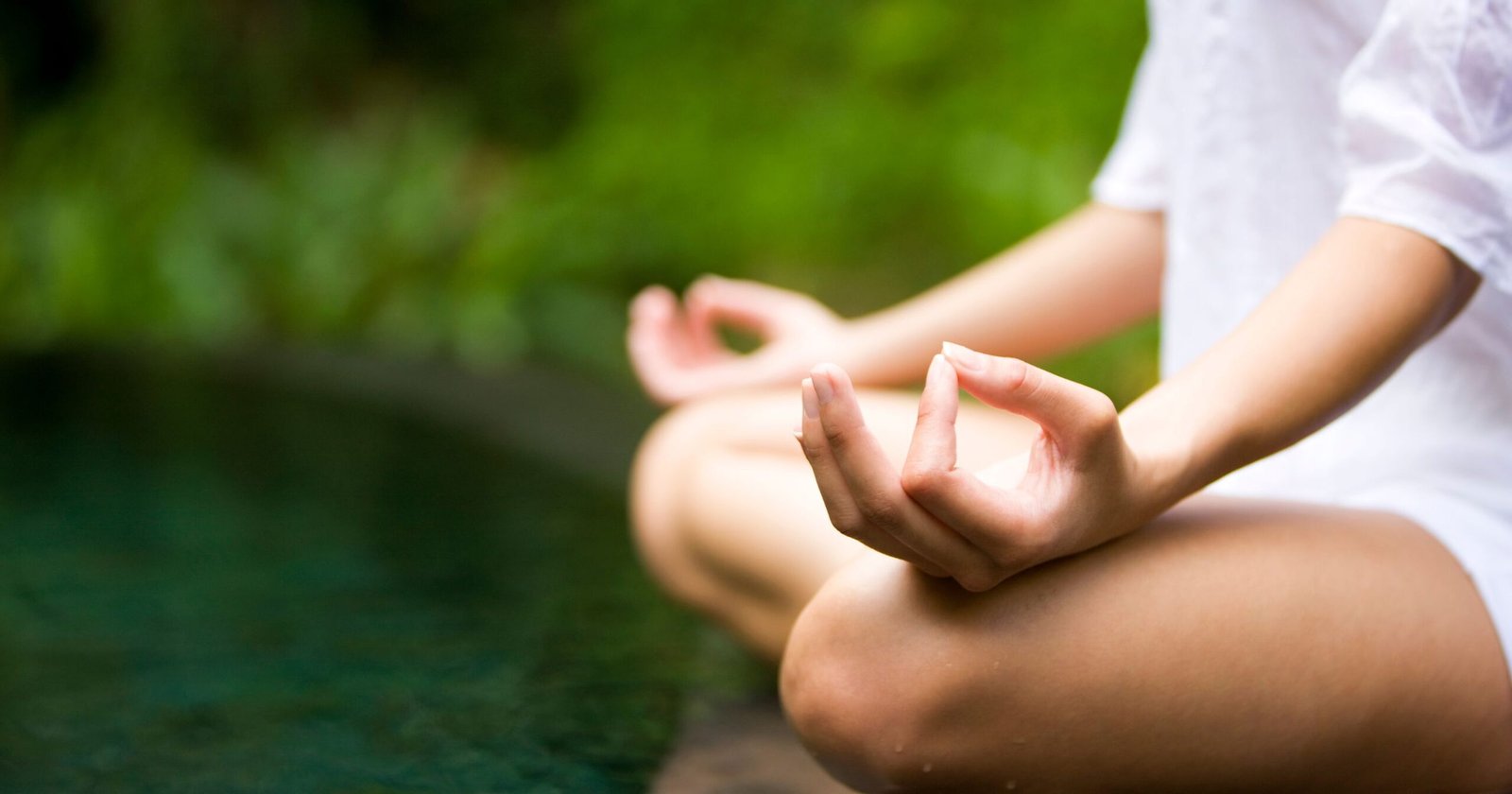
Movement should nourish, not exhaust. Practices such as Qigong combine gentle movement, breathing and mindfulness. Contemporary studies show that these practices modulate the parasympathetic nervous system and reduce markers of inflammation.
3. Harmony with the Seasons (Shun Shi Yang Sheng)
Ignoring the rhythms of nature is one of the main causes of low immunity. In winter, Chinese Medicine recommends withdrawing inward, longer sleep and cooked foods to protect the kidneys’ “reserve energy”.
4. Cultivating Inner Calm (Jing Ze Yang Shen)
The balance of the Shen (spirit/mind) is essential for restorative sleep. Through acupuncture and breathing techniques, it is possible to regulate the vagus nerve, promoting a deep relaxation response that modern science associates with cellular longevity.
5. Moderation: The Middle Way
Yang Sheng values consistency over perfection. Small, steady, rhythmic changes are more effective than quick, extreme solutions.
Scientific evidence and innovation
Modern science does not replace tradition; it moves closer to it and validates it. Today, longevity research focuses on mitochondrial health — something TCM already addressed through the tonification of vital energy. Recent studies show that herbal formulas and acupuncture may optimise mitochondrial oxidative metabolism, slowing tissue ageing.
Yang Sheng in Lisbon: the foundation of truly personalised care
At Five Clinic – Traditional Chinese Medicine, located at Marquês de Pombal, Yang Sheng is the foundation of our Integrative Medicine approach, centred on prevention, continuous care and the individuality of each person.
Yang Sheng care unfolds in a structured and mindful way, in three complementary stages:
Yang Sheng Assessment Consultation
Everything begins with an integrative assessment consultation. Through the diagnostic system of Traditional Chinese Medicine, combined with a global reading of your history and lifestyle, we seek to go beyond symptoms to understand your energetic and functional patterns and identify the root of possible imbalances.
Personalised Yang Sheng Health Guide
Based on this assessment, you receive a personalised Yang Sheng Health Guide — a practical, realistic plan to look after your health and longevity day to day. This guide may include dietary guidance, therapeutic Qi Gong exercises and lifestyle adjustments, always respecting your reality, pace and needs.
Therapeutic support, when indicated
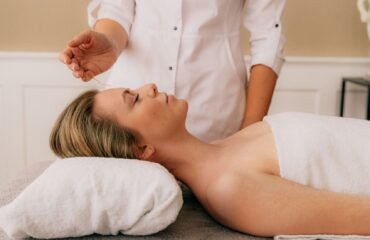
Whenever necessary, an initial therapeutic support plan is proposed, using Chinese Medicine techniques — such as acupuncture and other specific interventions — with the aim of supporting the body’s regulation and correcting identified imbalances.
Every course of care is unique, because each person has their own story, pace and needs. Our role is to always be by your side — to accompany, guide and look after your health over time.
Begin your Yang Sheng journey
If you would like to learn more about how Yang Sheng can transform your health and well-being, we invite you to take the first step.
How to start today: 3 simple gestures
Go to bed before 11 pm
In Traditional Chinese Medicine, the period between 11 pm and 1 am is associated with the Gallbladder, and the period between 1 am and 3 am with the Liver — organs linked to energetic regulation, decision-making and detoxification processes. Sleeping deeply during these windows supports the body’s recovery; losing them repeatedly may contribute to the depletion of Jing, the vital essence.
Mindful Breathing
Spend 5 minutes after waking to oxygenate the body and centre the mind.
Warm Meals
Especially in damp or cold climates, favour foods that ease digestion.
Conclusion
Yang Sheng is a path of continuous care, deeply human and adaptable to modern urban life. It is the ancient answer to today’s problems of burnout and chronic disease.
“
“The way of nurturing life lies in persistence.” (養生之道,貴在堅持)
I hope this text serves as an invitation to daily self-care,
Fernando Fernandes
(Professional Licence, Chinese Medicine: C-006569 | Acupuncture: C-0500378 (ACSS))
Clinical Director of Five CLINIC (ERS Registration: 39558/E166752)
Notes:
1) The practice of Traditional Chinese Medicine is regulated in Portugal by the ACSS (Central Administration of the Health System), ensuring safety and quality in treatments.
2) This article is for purely informational and educational purposes and does not replace an individual diagnosis in a Traditional Chinese Medicine consultation. Results vary from person to person.