



Quit Smoking: A Decision That Transforms Your Health
“Live today! Risk today! Do it today! Don’t let yourself die slowly. Don’t forget to be happy.”
— Pablo Neruda
Quit Smoking: A Decision That Transforms Your Health
How acupuncture and Chinese Medicine can make this process easier and sustainable
Smoking Cessation • Traditional Chinese Medicine • Lisbon
Quitting smoking is one of the most powerful decisions you can make for your health. It’s not just about abandoning a habit — it’s about recovering your body’s ability to breathe freely, regenerate itself, and return to its natural balance.
And science confirms it: the benefits begin minutes after the last cigarette and continue to accumulate over the years. This is not a motivational phrase — it’s a clinical fact, documented by decades of medical research.
But the good news is even stronger: the body has an extraordinary capacity for recovery — and this capacity can be significantly supported when we activate its natural self-regulation mechanisms.
This is where Traditional Chinese Medicine comes in.
What Happens in Your Body When You Quit Smoking
The recovery process begins immediately and unfolds in stages over time:
Recovery Timeline
Heart rate and blood pressure begin to normalize.
Carbon monoxide levels in the blood return to normal, improving tissue oxygenation.
Significant improvement in circulation and lung function.
Recovery of lung cilia (structures that clean the airways) and notable reduction in cough and respiratory infections.
The risk of coronary disease is reduced to about half compared to an active smoker.
The risk of stroke and heart attack approaches that of a person who has never smoked.
The body initiates a true process of systemic regeneration — cardiovascular, respiratory, immune and cellular.
So, If the Body Wants to Recover So Much… Why Is It So Hard to Quit Smoking?
Because Addiction Is More Than Nicotine
Tobacco addiction has three interconnected layers:
1. Physical Dependence
Nicotine acts on nicotinic receptors in the brain, promoting dopamine release and creating a neurochemical need. The body adapts to this constant stimulation and, in its absence, withdrawal symptoms emerge.
2. Psychological Dependence
The cigarette becomes an emotional regulator — an automatic response to anxiety, stress, loneliness, boredom, frustration. It’s not “weakness,” it’s deep Pavlovian conditioning.
3. Behavioral Dependence
Automatic associations with contexts and routines: morning coffee, work breaks, driving, socializing, waiting moments. The brain has created situational anchors that trigger the urge to smoke.
This is where many approaches fail: they try to fight the habit with willpower alone, when the nervous system remains in dependence and dysregulation mode.
How Acupuncture Supports Smoking Cessation
From a neurophysiological and clinical perspective, acupuncture can work through several mechanisms:
🌿 Autonomic Nervous System Regulation
Promotes parasympathetic dominance (“rest and repair” state), reducing anxiety, irritability and impulsivity. This state shift facilitates conscious decisions instead of automatic reactions to cravings.
🌿 Craving Reduction (Intense Desire)
Studies suggest modulation of reward-linked neurotransmitters (dopamine, endorphins, serotonin), decreasing the urgency and intensity of the urge to smoke.
🌿 Attenuation of Withdrawal Symptoms
Anxiety, insomnia, muscle tension, headaches, mood changes and restlessness become significantly lighter and manageable, facilitating adherence to the cessation plan.
🌿 Hormonal and Metabolic Balance Support
Helps prevent excessive weight gain and compensatory food cravings that frequently arise after smoking cessation.
🌿 Lung and Vital Energy Strengthening
According to Traditional Chinese Medicine, it tonifies Lung Qi, improving respiration, immunity and cellular oxygenation capacity.
The Chinese Medicine View on Tobacco Addiction
In Traditional Chinese Medicine, tobacco addiction is not seen as an isolated problem, but as a manifestation of underlying energetic imbalances. The most common patterns include:
Lung Qi Deficiency
Unconscious need to “stimulate” breathing through inhalation. The weakened Lung seeks external compensation. Manifests as shortness of breath, weak voice, fatigue, frequent colds.
Liver Qi Stagnation
Stress, frustration, accumulated emotional tension. The cigarette becomes a temporary “escape” to unblock stagnant Qi. Manifests as irritability, muscle tension, sighing, costal distension.
Yin Deficiency with Empty Heat
Anxiety, restlessness, insomnia, dry mouth, sensation of internal heat. Smoking worsens this pattern but offers temporary “distraction” from the discomfort.
Treatment is not standardized — it is personalized, respecting each person’s physical, emotional and energetic constitution. There is no single protocol because there are no identical people.
Practical Plan for the First 7 Days Smoke-Free
- Set a clear cessation date — Choose a specific day and commit
- Remove physical triggers — Eliminate ashtrays, lighters, packs from home, car and workplace
- Regular acupuncture sessions — Ideally 2 per week in the first month (critical phase)
- Conscious breathing when cravings arise — 3 minutes of deep abdominal breathing (4-2-6: inhale 4 sec, hold 2 sec, exhale 6 sec)
- Light daily movement — Walking, Qi Gong, stretching — helps regulate nervous system and reduce anxiety
- Adequate hydration and nutrition — Warm, regular meals, avoid prolonged fasting (to support Spleen and Lung Qi)
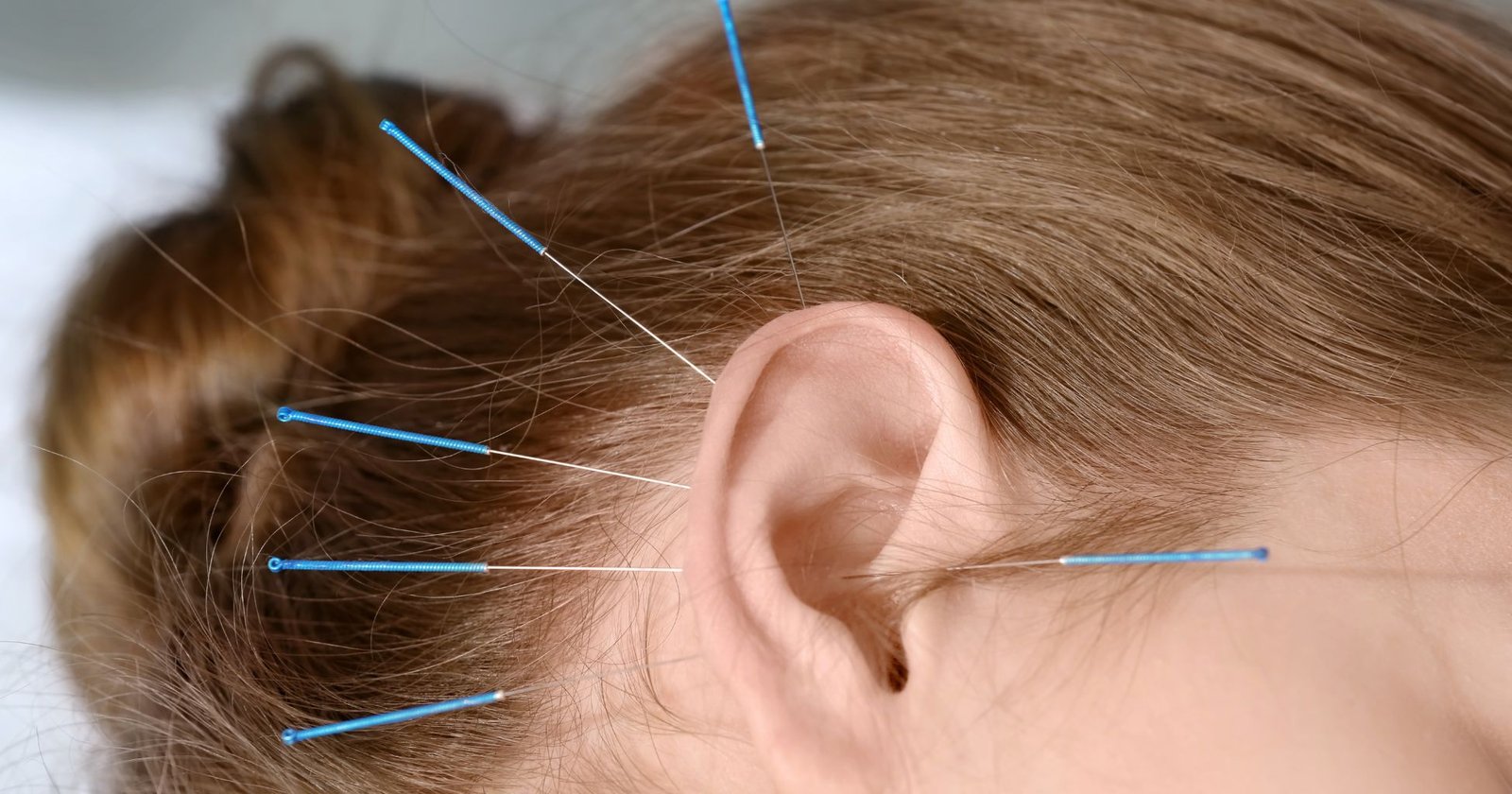
- Auriculotherapy — Small seeds or micro-needles in the ear as continuous anti-craving stimulus between sessions
Why Chinese Medicine Makes a Difference
Because it doesn’t fight against the body — it restores the balance that frees it from dependence.
While other approaches focus only on the symptom (the cigarette), Traditional Chinese Medicine works on multiple systems simultaneously:
- ✓ Autonomic nervous system
- ✓ Emotional regulation
- ✓ Sleep quality
- ✓ Respiratory function
- ✓ Vital energy (Qi)
- ✓ Automatic behavior patterns
- ✓ Self-regulation capacity
When the body returns to feeling internal safety — when the nervous system stops being in permanent alert state, when emotions have healthy expression pathways, when breathing becomes full —, the addiction naturally loses strength.
Specialized Support at Five Clinic
At Five Clinic, we support the smoking cessation process with an integrative approach that includes:
- ✓ Personalized clinical acupuncture
- ✓ Auriculotherapy (continuous stimulus)
- ✓ Stress and anxiety regulation
- ✓ Emotional management support
- ✓ Lifestyle guidance (nutrition, movement, sleep)
- ✓ Body-mind integrative approach
No judgment. No magic promises.
With physiological coherence, emotional balance and real support.
First consultation includes TCM diagnosis and personalized smoking cessation support plan
Frequently Asked Questions
Does acupuncture guarantee I will be able to quit smoking?
No. Quitting smoking always requires a conscious decision and personal commitment. Acupuncture doesn’t replace that decision, but can significantly facilitate the process by reducing cravings, anxiety and withdrawal symptoms, making the transition smoother and more sustainable.
How many sessions are needed?
The typical protocol involves 2 sessions per week during the first month (most critical period), followed by gradual reduction as the person stabilizes. Some cases may need longer support, others respond more quickly. The response is individual.
Will I gain weight if I quit smoking with acupuncture?
Weight gain after smoking cessation is common because: (1) metabolism adjusts, (2) taste recovers, (3) food compensations may arise. Acupuncture can help regulate metabolism and reduce food cravings, but it’s important to maintain balanced nutrition and regular movement.
Can I use acupuncture together with nicotine patches or other treatments?
Yes. Chinese Medicine can be complementary to other approaches, including nicotine replacement therapy or medication prescribed by your doctor. It’s important to inform all professionals involved about the treatments you’re undergoing.
What if I’ve already tried several times and failed?
Statistically, most people try to quit smoking several times before succeeding. Each attempt is not a failure — it’s information about what works or doesn’t work for you. The integrative TCM approach can offer a different perspective, working on aspects that other approaches haven’t addressed.