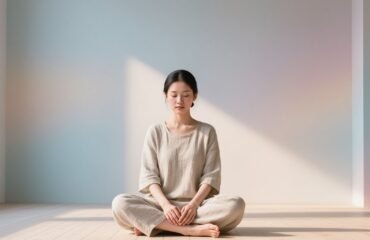




Insomnia Treatment with Acupuncture
Insomnia Treatment with Acupuncture
Integrative approach based on scientific evidence
Insomnia • Acupuncture • Chinese Medicine • Lisbon
What is insomnia
Insomnia is a sleep disorder characterized by difficulty initiating sleep, maintaining sleep or achieving desired sleep quality. It’s a common problem, affecting about 30% of adults worldwide.
Causes of insomnia
The causes of insomnia are complex and can be multifactorial, including physical, psychological and environmental factors.
Physical factors
- Chronic diseases, such as chronic pain, asthma or gastroesophageal reflux
- Hormonal disorders, such as thyroiditis or menopause
- Use of stimulants, such as caffeine, alcohol or certain medications for anxiety or depression
Psychological factors
- Stress
- Anxiety
- Depression
- Relationship and work problems
Environmental factors
- Inadequate sleep environment, such as a room that’s too hot or noisy
- Irregular sleep routine
Treatments for insomnia
Treatments include:
- Lifestyle changes, such as avoiding caffeine and alcohol before bed, having a regular sleep routine and exercising regularly
- Cognitive Behavioral Therapy (CBT) for insomnia
- Sleep medications, such as benzodiazepines, some antidepressants like amitriptyline
Acupuncture for insomnia

Acupuncture is a therapeutic method that consists of inserting fine needles into specific points on the body. Acupuncture is used to treat a variety of conditions, including insomnia.
How acupuncture can help with insomnia
Acupuncture can help in several ways, including:
🌙 Reducing stress and anxiety
Acupuncture can help reduce stress and anxiety, which are common factors contributing to insomnia.
🌙 Improving sleep quality
Acupuncture can help improve sleep quality by increasing deep sleep time and decreasing light sleep time.
🌙 Regulating the sleep-wake cycle
Acupuncture can help regulate the sleep-wake cycle, making it easier to fall asleep and wake up.
Hormonal changes and affected neurotransmitters
Serotonin:
Serotonin is a neurotransmitter involved in mood, sleep and pain. Acupuncture can increase serotonin levels in the brain, which can help reduce stress, anxiety and pain — factors that can contribute to insomnia.
Melatonin:
Melatonin is a hormone produced by the pineal gland that regulates the sleep-wake cycle. Acupuncture can increase melatonin production, which can help improve sleep quality.
GABA:
GABA is an inhibitory neurotransmitter that helps regulate muscle tone and sleep. Acupuncture can increase GABA levels in the brain, which can help relax the body and mind, facilitating sleep.
Cortisol:
Cortisol is a stress hormone that can disrupt sleep. Acupuncture can help reduce cortisol levels, which can help improve sleep quality.
Scientific Evidence
There is scientific evidence supporting the use of acupuncture to treat insomnia. Some studies demonstrating acupuncture’s efficacy include:
- Study published in 2023 in Journal Medicine, demonstrates the efficacy of combining acupuncture with herbal medicine in treating insomnia.
- Study published in 2021 in National Library of Medicine – PubMed, demonstrates that acupuncture improves objective sleep indicators in treating primary insomnia.
- Another study published in 2017 in National Library of Medicine – PubMed, demonstrates it’s an effective alternative to medication in treating depression-related insomnia.
Personalized Insomnia Treatment
If you’re suffering from insomnia and seeking personalized care, come meet us. Our team is ready to help.
Acupuncture: an effective and safe option
to recover your sleep quality.
First consultation includes complete assessment and individualized therapeutic plan
📖 Recommended Reading
Read the article: “The Importance of Sleep: How Many Hours of Sleep Do We Need? And 9 Tips for a Good Night’s Sleep…”
Other useful information
- Acupuncture is an individualized treatment. The Chinese Medicine Specialist will assess the patient to determine the most suitable treatment plan for their case.
- Acupuncture is generally performed in a series of sessions, with each session lasting approximately 30 minutes.