

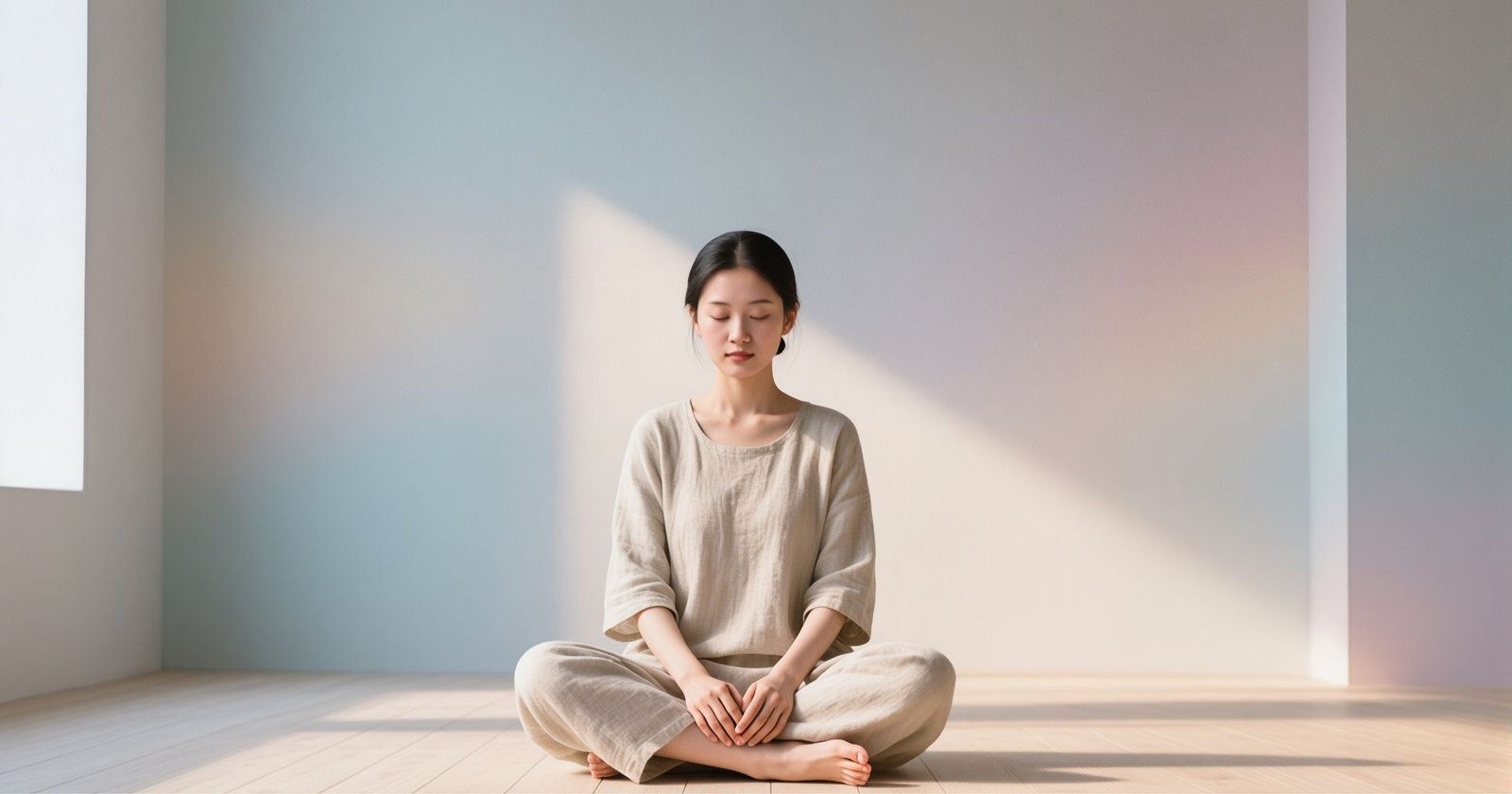

7 Ancestral Habits That Can Transform Your Health in 2026
📅 January 14, 2026 • ⏱ 10 min read • 📍 Marquês de Pombal – Saldanha, Lisbon
7 Ancestral Habits That Can Transform Your Health in 2026
In a world flooded with contradictory information about health and wellness, we often feel lost. Miracle diets that last three months. Revolutionary supplements that promise more than they can deliver. Trends that emerge and disappear with equal speed.
What if, instead of chasing the new, we returned to the essential? To what has withstood the passage of millennia and is now confirmed by modern science?
Traditional Chinese Medicine (TCM), with over 3,000 years of uninterrupted clinical practice and recognized by the World Health Organization (WHO), offers us something rare these days: wisdom proven by time and validated by science.
At Five Clinic in Lisbon, we apply these ancient principles in an integrated and personalized way, helping each person regain balance, prevent disease, and live with greater vitality.
In this article, you’ll discover:
- ✦ Why so many New Year’s resolutions fail (and how to avoid it)
- ✦ 7 ancestral habits validated by modern science
- ✦ How to implement sustainable (not temporary) changes
- ✦ The role of Integrative Chinese Medicine in health transformation
- ✦ A practical plan to start today
Why Do So Many New Year’s Resolutions Fail?
Every year, millions of people worldwide make solemn promises to themselves: “This year I’ll lose weight,” “I’ll start exercising,” “I’ll sleep better,” “I’ll reduce stress,” “I’ll quit smoking.“
And every year, according to studies, about 80% of these resolutions are abandoned by February.
Why? From the perspective of Chinese Medicine and modern psychology, there are three main reasons:
1. Drastic Changes
Wanting to transform everything at once depletes Qi (vital energy). The body and mind resist abrupt changes — it’s a survival mechanism.
2. Symptom Focus
Attacking only the visible problem (excess weight, insomnia, anxiety) without treating the root of the imbalance leads to temporary results.
3. Lack of System
Willpower isn’t sustainable. We need habits — small daily rituals that become automatic and that nourish, not deplete.
“It’s not the big changes that transform life. It’s the small habits repeated over time.”
Chinese Medicine has always known this. The concept of 養生 (Yang Sheng) — the art of nourishing life — is based precisely on small daily adjustments, sustainable ones, that respect the body’s natural rhythm.
The 7 Ancestral Habits That Stand the Test of Time
These habits have been practiced for millennia. They’re not fads. They’re not trends. They’re health principles proven by continued clinical practice and now validated by rigorous scientific studies.
Let’s explore them one by one:
7 Habits of Yang Sheng
The Ancestral Art of Nourishing Life
Sleep in Harmony
Go to bed before 11 PM to synchronize with natural detoxification rhythms.
✓ Deep recovery
Conscious Breathing
10 deep abdominal breaths upon waking, before checking your phone.
✓ Calm and focus
Eat in Harmony
Warm breakfast, slow chewing, early dinner before 8 PM.
✓ Sustainable energy
Nourishing Movement
Gentle morning movement and sun exposure before 10 AM.
✓ Balanced vitality
Live with the Seasons
Adapt diet to natural cycles. Winter: soups. Spring: greens.
✓ Strong immunity
Emotional Management
Daily 5-minute emotional check-in to prevent Qi stagnation.
✓ Emotional balance
The Middle Way
Choose 1-2 habits at a time. Gradual progress is more effective.
✓ Sustainable change
Sleep in Harmony with Your Circadian Rhythm

What Chinese Medicine says:
In TCM, each organ has a period of maximum energetic activity. Between 11 PM and 3 AM, energy circulates through the Gallbladder (11 PM-1 AM) and Liver (1 AM-3 AM) — organs fundamental for detoxification, cellular regeneration, and hormonal balance.
Being awake during these hours “steals” energy from these vital processes and progressively depletes Jing (vital essence), our constitutional energetic reserve.
What science says:
Recent studies on circadian rhythms (2017 Nobel Prize in Medicine) confirm that sleeping out of sync with the natural light-dark cycle impairs DNA repair, increases systemic inflammation, and elevates the risk of chronic diseases.
How to implement: Start going to bed 15 minutes earlier each week until you reach 11 PM. Create a wind-down ritual: turn off screens 1 hour before, have calming tea, practice abdominal breathing.
Conscious Breathing Upon Waking

What Chinese Medicine says:
Breathing is the bridge between Pre-Natal Qi (inherited) and Post-Natal Qi (acquired). Breathing consciously and deeply tonifies the Lung and Spleen, strengthens the immune system, and calms the Shen (spirit/mind).
What science says:
Slow diaphragmatic breathing (4-6 cycles/minute) activates the vagus nerve, promoting parasympathetic dominance (“rest and digest” state), reducing cortisol and improving heart rate variability — a marker of cardiovascular health and longevity.
How to implement: Before reaching for your phone, still in bed, do 10 deep abdominal breaths: inhale through your nose for 4 seconds, hold for 2 seconds, exhale slowly through your mouth for 6 seconds. Then, upon rising, drink a glass of warm water (room temperature or slightly heated) — it hydrates, awakens the digestive system, and helps eliminate toxins accumulated overnight.
Eat in Harmony with Digestion

What Chinese Medicine says:
The Spleen-Pancreas (responsible for transforming food into Qi) works best with: (1) cooked and warm foods, (2) regular meals, (3) slow chewing, (4) stopping when 80% full. In TCM, cold drinks and raw foods “extinguish the digestive fire” (Spleen Yang), causing bloating, post-meal fatigue, and poor nutrient absorption. Breakfast should be the most nutritious and warm meal of the day. Dinner should be light and early (ideally before 7-8 PM), allowing the body a 12-hour period without food intake for regeneration and cellular autophagy.
What science says:
Nutritional chronobiology demonstrates that eating at regular times synchronizes the “peripheral clocks” of metabolism, improving insulin sensitivity, digestion, and nutrient absorption. Chewing slowly increases satiety and improves enzymatic digestion. Studies on intermittent fasting (time-restricted eating) show that dining early and maintaining 12-14 hours without eating improves autophagy, reduces inflammation, and optimizes metabolism. The Japanese practice of Hara Hachi Bu (eating until 80% full) is associated with longevity and lower obesity risk.
How to implement:
- Warm breakfast: Oatmeal, scrambled eggs, soup, or congee (Chinese rice porridge)
- Avoid cold drinks: Prefer room temperature water or warm tea, especially with meals
- Chew 20-30 times each bite before swallowing
- Dinner by 7-8 PM: Light meal (soup, fish, cooked vegetables)
- Stop at 80%: When you feel almost full, stop. The satiety signal takes 20 minutes to reach the brain
- 12-hour overnight fast: If dinner at 8 PM, breakfast at 8 AM (e.g., 8 PM → 8 AM)
Movement that Nourishes (Not Depletes)

What Chinese Medicine says:
Movement should circulate Qi without depleting it. Practices like Qi Gong and Tai Chi combine gentle movement, coordinated breathing, and mindful attention — meditative movement that strengthens without exhausting. Morning (5-11 AM) is the ideal period for movement, as it corresponds to the ascending Yang of the day — energy is expanding, the body is more receptive. After meals, walking 10-15 minutes helps circulate Spleen Qi and facilitates digestion. Morning sun exposure (especially before 10 AM) nourishes Yang, regulates circadian rhythm, and strengthens the immune system.
What science says:
Studies show that Qi Gong and Tai Chi regulate the autonomic nervous system, reduce inflammatory markers (C-reactive protein, interleukins), improve balance, bone density, and cognitive function. Morning sunlight exposure synchronizes the circadian clock, improves mood, increases vitamin D production, and optimizes nighttime melatonin production (sleep hormone). Walking after meals reduces post-meal glucose spikes and improves digestion.
How to implement:
- Morning movement: Ideally between 7-9 AM. Can be Qi Gong, stretching, gentle yoga, or 15-20 minute walk
- Sun exposure: 10-15 minutes of morning sun (before 10 AM), without sunglasses if possible. Activates vitamin D and regulates melatonin
- Walk after meals: Especially after lunch and dinner, 10-15 minutes of slow walking aids digestion and Qi circulation
- Prioritize consistency: 15 minutes every day > 1 hour 2x per week
Live in Harmony with the Seasons

What Chinese Medicine says:
Each season has a dominant energy. Winter: retreat, rest, nourishing Kidneys (our reserve). Spring: expansion, movement, tonifying Liver. Ignoring these natural rhythms weakens immunity and deregulates the organism.
What science says:
Seasonal chronobiology demonstrates that circannual (annual) rhythms affect metabolism, immune system, mood, and fertility. Living out of sync with seasons increases vulnerability to infections and seasonal depression.
How to implement: In our winter (cold and damp), prioritize warm soups, roots, protecting neck and lower back. Sleep earlier. In spring, increase leafy greens and outdoor movement.
Conscious Emotional Management

What Chinese Medicine says:
In TCM, each emotion affects a specific organ: Anger → Liver. Joy → Heart. Worry → Spleen. Sadness → Lung. Fear → Kidney. Repressed or excessive emotions create Qi stagnation, which over time transforms into physical disease.
What science says:
Psychoneuroimmunology confirms that chronic stress and unprocessed negative emotions dysregulate the HPA axis (hypothalamic-pituitary-adrenal), elevate cortisol, suppress immunity, and promote systemic inflammation.
How to implement: Create a daily practice of “emotional check-in” — 5 minutes to recognize, without judgment, how you feel. Practices like journaling, meditation, or acupuncture help process and release stagnant emotions.
Moderation and the Middle Way

What Chinese Medicine says:
Balance (中庸, Zhong Yong) is the fundamental principle. Neither excess nor deficiency. Neither hyperactivity nor sedentarism. Small sustained adjustments are more effective than radical, unsustainable changes.
What science says:
Behavioral psychology demonstrates that small consistent habits (micro-habits) are more effective for long-term change than ambitious goals requiring constant willpower. The secret lies in repetition, not perfection.
How to implement: Choose 1-2 habits from this list and commit for 30 days. Then add another. Slow, consistent progress > drastic, temporary change.
The Role of Integrative Chinese Medicine in Health Transformation

Implementing changes alone can be challenging. This is where Integrative Chinese Medicine makes a difference.
At Five Clinic, we combine precise Traditional Chinese Medicine diagnosis with modern understanding of physiology to create personalized plans that respect your constitution, life rhythm, and goals.
Integrative Diagnosis
We combine tongue, pulse, and clinical history diagnosis (TCM) with understanding of your routine, stress, sleep, and diet to identify the root of imbalances.
Personalized Yang Sheng Plan
We create a practical, realistic guide with habits specific to your energetic pattern — diet, movement, sleep, emotional management tailored to you.
Therapeutic Support
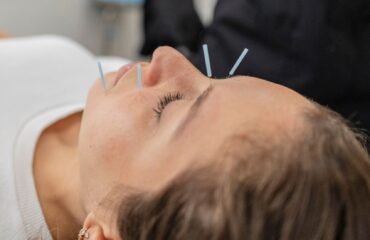
When necessary, we use acupuncture, herbal medicine, and other TCM techniques to correct imbalances, reduce symptoms, and facilitate new habit implementation.
This is not a “miracle cure” or 21-day program. It’s continuous support that respects your pace and adjusts as you evolve.
Transform Your Health in 2026
If you wish to start the year with habits that truly transform — not passing fads, but ancestral principles validated by science — we invite you to take the first step.
Practical Plan: How to Start This Week
Don’t try to do everything at once. Sustainable change is gradual. Here’s a simple plan to begin:
Week 1
Commit to sleeping before 11:30 PM (adjust gradually). Nothing more. Just this habit.
Week 2
Continue the previous. Add 10 conscious breaths upon waking (before your phone!).
Week 3
Continue previous habits. Make breakfast a warm meal (oatmeal, eggs, soup).
Week 4
Continue previous habits. Add 10-15 min of mindful walking or gentle daily exercise.
After one month, you’ll have 4 solid habits working in synergy — sleep, breathing, nutrition, and movement. From there, you can add the rest.
“A journey of a thousand miles begins with a single step.” — Lao Tzu
Conclusion
2026 can be the year you finally transform your health — not through empty promises or quick fixes, but through ancestral habits that have withstood millennia and are now validated by modern science.
The secret isn’t perfection. It’s persistence. Consistency. Respect for your body and your rhythm.
“養生之道,貴在堅持”
“The way of nourishing life lies in persistence.”
May this be your year of true health — not merely absence of disease, but vitality, clarity, and presence.
Fernando Fernandes
Professional License Chinese Medicine: C-006569 (ACSS)
Professional License Acupuncture: C-0500378 (ACSS)
Clinical Director at Five CLINIC (ERS Registration: 39558/E166752)
Notes:
1) The practice of Traditional Chinese Medicine is regulated in Portugal by ACSS (Central Administration of the Health System), ensuring safety and quality in treatments.
2) This article is for informational and educational purposes only, not replacing individualized diagnosis and treatment in a Traditional Chinese Medicine consultation. Results vary from person to person, depending on constitution, health condition, and adherence to recommendations.
📍 Five Clinic – Traditional Chinese Medicine in Lisbon
Entity: FIVE CLINIC by FIVEDIRECTIONS – HEALTH & WELLNESS LDA
Tax ID: 513248889
ERS Registration: 39558/E166752 (Health Regulatory Entity)
Address: Avenida Duque de Loulé nº 47, 3º Dto, 1050-086 Lisbon
Hours: Mon-Fri: 10:00-13:00 and 14:00-19:00 | Saturday: 09:00-13:00
WhatsApp: +351 937 894 736
Website: www.fiveclinic.pt
Instagram: @fiveclinicmedicinachinesa