


Chronic Stress: Understanding, Managing and Recovering Balance
📅 January 2026 • ⏱ 7 min read • 📍 Marquês de Pombal, Lisbon
Chronic Stress: Understanding, Managing and Recovering Balance
How many times have you found yourself without time to have lunch peacefully? How many times has a walk after work been left undone? The feeling that 24 hours are no longer enough has become common in modern life.
The accelerated pace of contemporary society — marked by growing work demands, constant connectivity and reduced free time — has direct implications on physical and mental health. Chronic stress is not just an uncomfortable subjective experience: it’s a physiological state with measurable consequences.
Understanding the mechanisms of stress, its manifestations and management strategies — including integrative approaches such as Traditional Chinese Medicine — can be the first step to recovering balance and well-being.
What Is Stress? Understanding the Physiological Response
Stress is, by definition, an adaptive response of the body to internal or external demands. When moderate and occasional, it can be beneficial: it prepares us for challenging situations, increases attention and optimizes performance.
However, when stress becomes chronic — that is, when the alarm response is activated continuously over weeks or months — the costs to health accumulate:
Effects of Chronic Stress on the Body
- Nervous system: Mental fatigue, difficulty concentrating, irritability
- Cardiovascular system: Elevated blood pressure, increased risk of heart disease
- Immune system: Greater vulnerability to infections and chronic inflammation
- Digestive system: Gastrointestinal disturbances, irritable bowel syndrome
- Sleep: Insomnia, fragmented sleep, chronic fatigue
- Mental health: Anxiety, depression, burnout
Source: American Psychological Association (APA) and studies on chronic stress and health.
The Silent Epidemic: Data on Stress and Anxiety
Stress and anxiety have become global public health problems. According to the World Health Organization, it is estimated that more than 300 million people worldwide live with anxiety disorders.
In Portugal, the National Health Service records a consistent increase in demand for mental health-related care, especially in urban contexts where the pace of life is faster.
A study by the Anxiety and Depression Association of America emphasizes that anxiety, when left untreated, can significantly interfere with quality of life, interpersonal relationships and professional performance.
The Cost of Stress on Concentration and Productivity
Chronic stress has a direct impact on cognitive capacity. Researchers at the University of California estimate that, after an interruption, a person takes an average of 25 minutes to fully recover focus on the initial task.
When stress is added to constant distractions — notifications, social media, multitasking — productivity decreases and the feeling of overload increases, creating a cycle that is difficult to break.
The Traditional Chinese Medicine View on Stress
In Chinese Medicine, stress is not seen merely as an isolated psychological problem, but as an imbalance that affects the flow of Qi (vital energy) and disrupts harmony between organs and emotions.
Energy Patterns Associated with Stress
1. Liver Qi Stagnation
The Liver (肝, Gān) is responsible for the free flow of Qi and blood throughout the body. Emotional stress — frustration, repressed anger, feeling of lack of control — causes Liver Qi stagnation, manifesting as:
- Muscle tension (especially neck, shoulders and jaw)
- Irritability and mood swings
- Abdominal distension and frequent sighing
- Insomnia (difficulty falling asleep or waking at 1-3 am)
2. Yin Deficiency with Empty Heat
Prolonged stress consumes the body’s Yin (nutritive, cooling aspect), especially of the Kidneys and Heart. When Yin is deficient, symptoms of “empty heat” arise:
- Anxiety and mental agitation
- Sensation of heat in palms and soles
- Insomnia with difficulty maintaining sleep
- Dry mouth, especially at night
3. Heart and Spleen Qi Deficiency
Chronic worry and mental overload weaken the Spleen and Heart, leading to:
- Deep fatigue
- Difficulty with concentration and memory
- Palpitations
- Irregular appetite
Acupuncture and Stress Management: What Does Science Say?
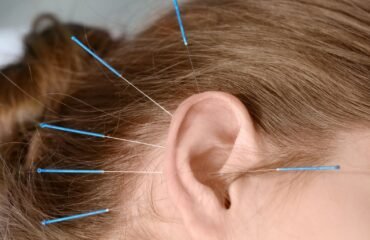
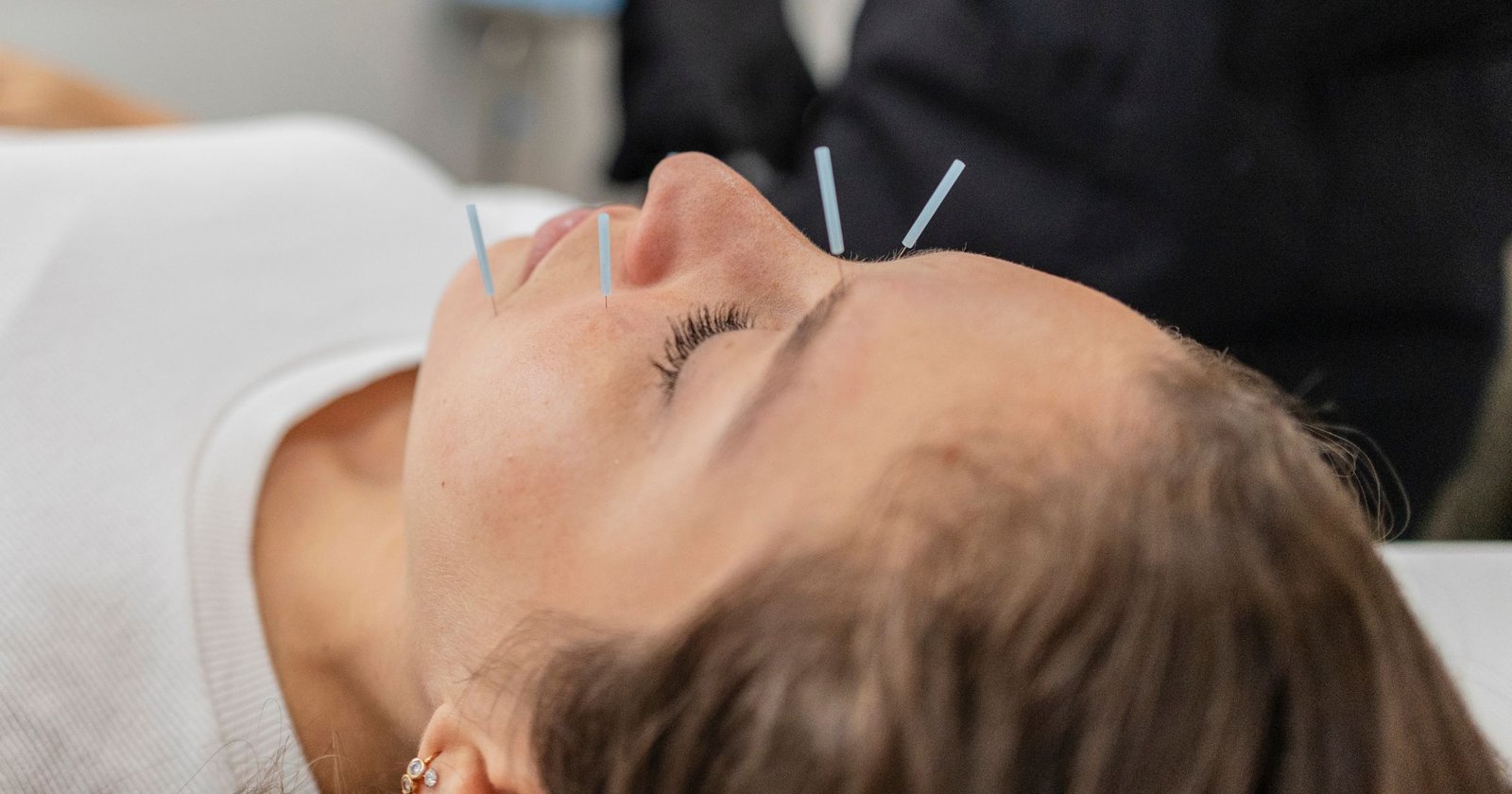
Acupuncture has been studied as a complementary approach in stress and anxiety management. A study published in the Journal of Endocrinology (2013) by researchers at Georgetown University demonstrated that acupuncture can modulate the release of stress hormones, reducing cortisol levels.
Other studies suggest that acupuncture can:
- Activate the parasympathetic nervous system (“rest and digest” response)
- Reduce inflammatory markers associated with chronic stress
- Improve sleep quality
- Increase production of endorphins and serotonin
Integrative Strategies for Stress Management
Effective stress management rarely depends on a single approach. Studies demonstrate that multimodal strategies — combining lifestyle changes, emotional regulation techniques and, when necessary, therapeutic support — are the most effective.
1. Mindfulness Practices
Researchers at Carnegie Mellon University demonstrated that mindfulness meditation produces measurable changes in the brain and immune system, reducing inflammatory markers and improving stress response.
Even 10-15 minutes of daily practice can have significant cumulative effects.
At Five Clinic, these mindfulness principles are also explored in a simple and accessible way through moments of reflection and conscious pause, such as the weekly Zen Sunday feature, shared on the clinic’s Instagram.
2. Digital Distraction Management
Reducing exposure to constant notifications, social media and excessive multitasking can significantly improve concentration capacity and reduce the feeling of overload.
3. Conscious Movement
Practices such as Qi Gong, Tai Chi, yoga or walks in contact with nature combine physical activity with breath regulation and mindfulness, helping to restore balance.
4. Quality Sleep
Adequate sleep is fundamental for nervous system recovery. Creating a consistent sleep routine, reducing screen exposure before bed and creating an environment conducive to rest are essential measures.
5. Professional Support
Traditional Chinese Medicine, cognitive-behavioral therapy (CBT), psychological counseling and, when necessary, psychiatric follow-up are valid tools for stress and anxiety management.
The Role of Integrative Chinese Medicine
At Five Clinic, the approach to stress combines individualized diagnosis (namely tongue, pulse and clinical history) with TCM therapeutic techniques:
- Acupuncture: To regulate Qi flow, calm Shen (mind/spirit) and tonify deficient organs
- Chinese herbal medicine: Personalized formulas for specific patterns (e.g. Liver Qi stagnation, Yin deficiency)
- Chinese dietetics: Dietary recommendations to tonify Spleen, calm Liver and nourish Yin
- Self-care practice guidance: Qi Gong, breathing techniques, emotional management
The number of sessions varies according to symptom severity and individual response. Many people report improvement in sleep quality and anxiety reduction after the first sessions.
“Balance is not something you find. It’s something you cultivate, day by day, through small conscious choices.”
Personalized Support at Five Clinic
If you’re looking for an integrative approach to stress management, with individualized diagnosis and therapeutic plan adapted to your needs, we invite you to learn about our work.
Stress management is a process. We’re here to support you.
Fernando Fernandes
Professional License Chinese Medicine: C-006569 (ACSS)
Professional License Acupuncture: C-0500378 (ACSS)
Clinical Director of Five CLINIC | ERS Registration: 39558/E166752
Important note:
This article is for informational and educational purposes only. Stress management should always be supervised by qualified health professionals. In crisis situations or severe symptoms, seek immediate medical support.
📍 Five Clinic – Traditional Chinese Medicine in Lisbon
Entity: FIVE CLINIC by FIVEDIRECTIONS – HEALTH & WELLNESS LDA
VAT: 513248889 | ERS Registration: 39558/E166752
Address: Avenida Duque de Loulé nº 47, 3º Dto, 1050-086 Lisbon
Hours: Mon-Fri: 10:00-13:00 and 14:00-19:00 | Saturday: 09:00-13:00
WhatsApp: +351 937 894 736
Website: www.fiveclinic.pt
Instagram: @fiveclinicmedicinachinesa